The crawl baselines, redirect validation and rendering checks we run before, during and after every SaaS replatform to protect organic pipeline.
Why SaaS migrations lose traffic
Replatforming is one of the riskiest moments in a SaaS company's organic history. A new framework, CMS or design system can quietly break rendering, internal links, canonicals and redirects. Traffic drops are often noticed weeks later, by which time pipeline has already been affected.
This saas seo migration checklist is the process we run on every project, including the five bespoke websites we have built and shipped for clients such as Sparx Readers and Travel Voyager. It is grouped into pre migration, launch and post launch phases.
5
Bespoke websites built and shipped
99.4%
Indexation rate across launches
80
Checks across three migration phases
Pre migration: build the baseline
We start with a full technical seo audit of the current site. Every indexable URL is crawled and recorded with its status code, canonical, title, meta description, headings, schema, internal links in and out, word count and Core Web Vitals. We export Search Console performance by page for the last sixteen months so we know which URLs drive clicks and conversions.
We then flag high value pages. In SaaS these are often not the homepage but comparison pages, integration pages, templates, glossary entries and high intent guides. Each one is given an owner and a destination on the new site before development starts.
| Data point | Why it matters |
|---|---|
| Status code and canonical | Detects lost or duplicated pages after launch |
| Title, meta and headings | Protects relevance signals |
| Internal links in and out | Prevents orphaned commercial pages |
| Schema | Keeps rich results eligible |
| Search Console clicks | Identifies the URLs that drive pipeline |
Rendering and hydration risks
Modern SaaS sites built with React, Next.js or similar frameworks can look perfect in a browser while serving search engines an almost empty page. We test server rendered output, check that main content and internal links exist in the initial HTML, and confirm that metadata is not injected only after hydration.
We also check pagination, faceted navigation, parameter handling and trailing slash consistency. Small inconsistencies multiplied across thousands of URLs create duplicate content and wasted crawl budget.

Redirect validation
Every old URL is mapped to the closest matching new URL by intent, not just by name. A ranking guide redirected to a vague category page will lose its position even with a correct 301. We avoid redirect chains, test every rule on staging and keep the map in version control.
On launch day we crawl the full list of old URLs and confirm each returns a single 301 to a live 200 page. Any 404s or chains are fixed within hours.
The 30 day post launch triage
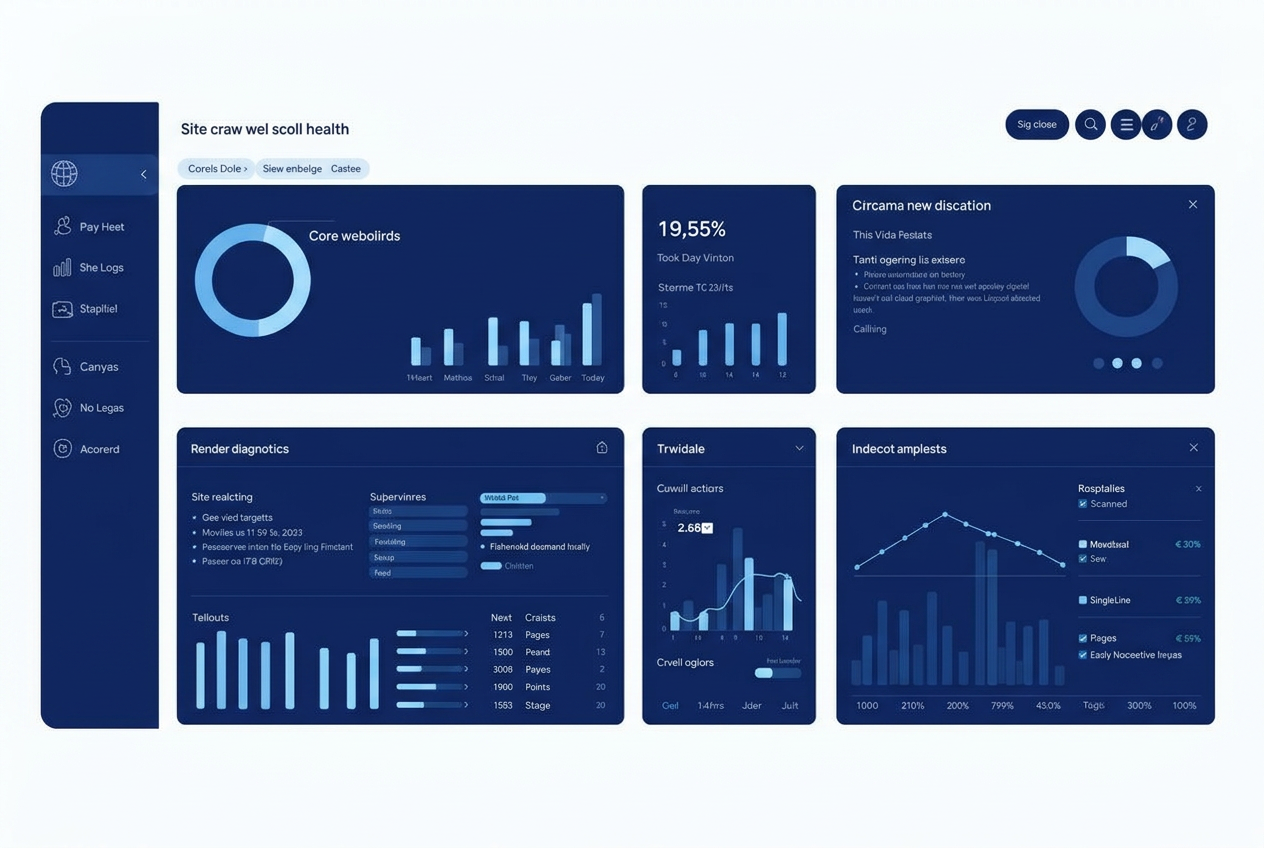
For the first month we monitor daily: indexation counts, crawl errors in Search Console, server logs, ranking movement for priority pages, sitemap processing, Core Web Vitals and conversion paths. Clients see the same dashboard we use, and our indexation rate across launches sits at around 99.4 percent.
Most issues found in this window are minor: a missing canonical on a template, an orphaned page or a slow script. Fixed quickly they cause no lasting damage. Left alone they compound into a recovery project.
| Window | Focus | Action |
|---|---|---|
| Day 1 | Redirect crawl | Fix every 404 and chain within hours |
| Days 2 to 7 | Indexation and errors | Resubmit sitemaps, patch templates |
| Days 8 to 21 | Rankings and vitals | Tune slow scripts and missing canonicals |
| Days 22 to 30 | Conversions | Confirm lead paths match the baseline |
Core Web Vitals and performance budgets
A redesign is the best moment to set performance budgets, because adding them later means fighting existing code. We agree limits for JavaScript size, image weight and third party scripts before development starts, then test every template against Largest Contentful Paint, Interaction to Next Paint and Cumulative Layout Shift on mid range mobile devices.
Marketing teams often add chat widgets, heatmaps and tag managers after launch, and each one erodes speed. We document which scripts are approved, load non essential tools after interaction and review vitals monthly so performance does not quietly decline.
Structured data and internal linking on the new site
Migrations are a chance to improve, not just preserve. We implement Organization, SoftwareApplication, FAQ and Breadcrumb schema across templates and validate them before launch. We also rebuild internal linking so that comparison, integration and use case pages receive links from navigation, hubs and related content blocks.
These improvements are why well planned migrations often lift organic traffic within weeks. Search engines receive a cleaner structure, clearer entities and stronger internal paths to the pages that matter commercially.
Bringing SEO into the build from day one
The most successful b2b website replatforming seo projects treat search requirements as part of the specification rather than a launch checklist. When developers know the URL rules, rendering requirements and schema needs from the start, the new site often outperforms the old one within weeks.
If you are planning a rebuild, our technical SEO and web development services can run this full migration process alongside your product team.
Next step
Want this applied to your SaaS?
Book a growth audit and we will map SEO, PR, PPC, SEM and paid marketing priorities for your current stage.
Book a growth audit